The Digital Farm Revolution and Its Growing Pains
Imagine a scenario: a hacker remotely disables a combine harvester during peak harvest, leaving tons of crops to rot. This isn't science fiction; it's a stark reality highlighting the vulnerabilities of modern agriculture's increasing reliance on technology. Smart tractors, GPS-guided planting, and interconnected systems boost efficiency and yields, but this interconnectedness creates a vast attack surface. The Cyber Tractor Challenge directly tackles this issue, fostering innovation and expertise in securing our digital farms.
The Stakes: More Than Just Dollars and Cents
The risks extend far beyond financial losses. A successful cyberattack could disrupt food supply chains, causing shortages, price spikes, and even food insecurity in vulnerable populations. Data breaches can expose sensitive information – planting schedules, financial records, even proprietary seed designs – giving competitors or malicious actors a significant advantage. The sheer scope of the potential damage demands immediate and decisive action. How can we protect the intricate network that delivers food to our tables?
- Data breaches: Loss of sensitive farm data, including proprietary information and financial records.
- Equipment sabotage: Remote disabling of critical farm machinery during crucial operations.
- Supply chain disruptions: Compromising the systems controlling the delivery of essential goods like fertilizer and seeds.
This is not a hypothetical threat. It's a very real and present danger.
Meet the Cyber Tractor Challenge: A Digital Defense Force
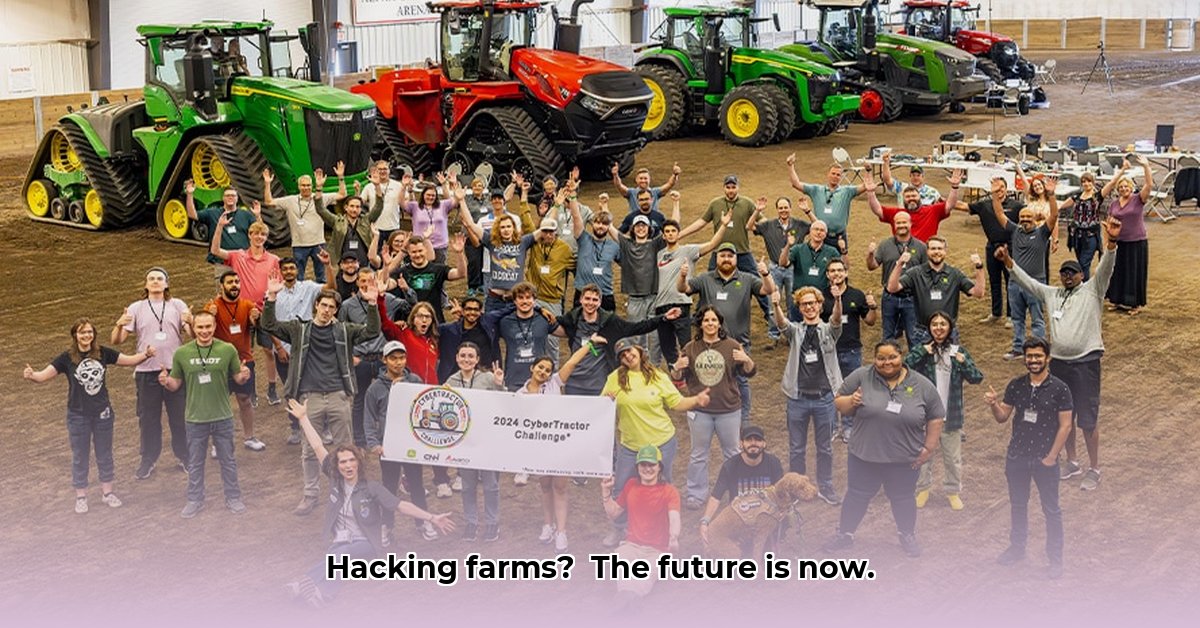
The Cyber Tractor Challenge isn't just a competition; it's a vital training ground for the next generation of agricultural cybersecurity experts. This high-stakes event simulates real-world cyberattacks, pushing participants to develop innovative solutions and hone their skills under pressure. Teams of students and professionals collaborate to identify and mitigate vulnerabilities in simulated farm networks – a crucial exercise in preparing for the inevitable threats to come.
"This competition isn't just about winning," says Dr. Emily Carter, Head of Cybersecurity at the National Agricultural Institute. "It's about building a skilled workforce dedicated to protecting our food supply chain. We're seeing a critical need for cybersecurity professionals who understand the specifics of agriculture."
Beyond the Competition: A Breeding Ground for Innovation
The challenge is more than a test of technical skills. It fosters collaboration, creativity, and problem-solving in a high-pressure environment. Participants from diverse backgrounds–software engineers, agricultural experts, and data scientists—work together to devise solutions, strengthening their collective expertise and fostering a sense of shared responsibility for food security.
“The collaborative aspect is what makes this competition so compelling,” explains John Miller, a participant from Purdue University. “We learn from each other, sharing diverse perspectives and approaching problems from different angles. It truly reflects the real-world nature of cybersecurity.”
Real-World Threats, Real-World Solutions
The Cyber Tractor Challenge uses realistically simulated scenarios that mirror real-world threats to agriculture. These include:
- Ransomware attacks: Crippling farm operations with encrypted data demanding payment for release.
- Phishing scams: Tricking employees into revealing login credentials through deceptive emails or messages.
- Man-in-the-middle attacks: Interception of communications between devices and systems to steal data or inject malicious code.
These situations drive home the critical need for robust security measures. The challenge highlights the importance of proactive rather than reactive strategies.
A Multi-Stakeholder Approach: Securing the Future of Farming
Protecting our digital farms requires a collective effort. The Cyber Tractor Challenge provides a vital platform, but success depends on a unified strategy involving all stakeholders:
- Manufacturers: Integrating robust security into farm equipment at the design phase, not as an add-on. This includes secure boot processes, encryption of sensitive data, and regular software updates.
- Government Agencies: Providing funding for research, establishing cybersecurity standards and regulations, and incentivizing the adoption of best practices within the agricultural sector.
- Educational Institutions: Developing specialized cybersecurity curricula focusing on agricultural technology and the unique threats it faces. This is crucial for creating a pipeline of skilled professionals.
- Farmers: Investing in training and implementing basic security measures like strong passwords, multi-factor authentication, and regular software updates. Awareness and proactive steps are key.
Only through unified action can we mitigate the risks and secure the future of food production.
How to Secure Your Connected Farm Equipment
The Cyber Tractor Challenge underscores the urgent need to secure our digital farms. Here are practical steps farmers and agricultural businesses can take:
- Implement strong passwords and multi-factor authentication (MFA): An essential first line of defense against unauthorized access.
- Regularly update software: Outdated software has known vulnerabilities. Manufacturers should provide regular security updates, and farmers must install them promptly.
- Segment your networks: Dividing your network into smaller, isolated segments limits the impact of a potential breach.
- Secure remote access: Restrict access to critical systems and devices, using strong authentication and security protocols.
- Back up your data: Regular backups to an offline location protect against data loss in the event of a ransomware attack.
- Educate your employees: Regular cybersecurity awareness training is crucial, making staff vigilant against phishing and other threats.
A Harvest of Hope
The Cyber Tractor Challenge represents a crucial step toward securing the future of farming. By fostering innovation, collaboration, and education, this initiative addresses the urgent need to protect our food supply from the ever-evolving threat landscape of cyberattacks. The challenge is not merely a competition; it is a beacon, illustrating that a collaborative, proactive approach is essential to ensuring the long-term sustainability and security of our global food systems. The future of food security demands it, and the Cyber Tractor Challenge is planting the seeds for a safer tomorrow.